Journal
Notes from an editor that refuses to lie.
Short essays on story logic, causality, worldbuilding, ruthless editing, and the strange relief of seeing contradictions before readers do.
Latest Notes
Readable ideas before they become product doctrine.

What Happens to a TTRPG World When an Important NPC Dies?
The players may kill one NPC. The world may lose an entire set of futures that still depended on them.

Call of Cthulhu Clue Management: What Happens When Players Miss a Clue?
A clue does not disappear from the world just because the players never saw it.

Session Notes Are Not World State: What Long TTRPG Campaigns Need to Track
Session notes preserve how the story happened. World state preserves what remains afterward.

TTRPG Worldbuilding Gets Hard After the Players Change the World
The GM prepares the setting. The players change the state of the world.

The World Can Ask the Question. The Answer Must Belong to the Writer.
An echo is not a command. The world can remind the writer, but it cannot answer for them.

Between Two Names In A Story, There Is Often An Untold Event.
Some nearby words are not just a matter of phrasing. They are the world asking: did something happen here?
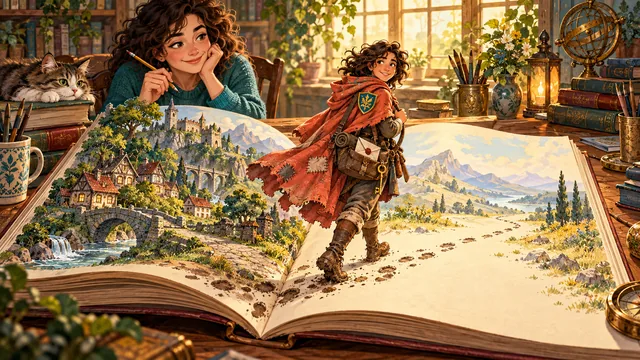
When a Name Returns, the World Should Remember What It Has Become
A name lets the reader recognize it. State lets the world remember it.

Every Chapter Needs Its Own World-State Snapshot
Where a character is now matters less than where they should be in that chapter, at that moment.

The Writer Creates Meaning. The World Remembers Change.
Not every event needs to be recorded. But some consequences should not have to live only in the writer's memory.

Writing in a World That Echoes
Once a world has causality, words no longer merely land on the page. They begin to echo.

The Compound Interest of Worldbuilding
Good worldbuilding lets the earlier story increase the value of what comes later.

Character Choices Must Cost Something
If a choice does not change the world, it is only dialogue.